Best Home Water Desalination Systems in Saudi Arabia 2026
Drinking water is an essential source of life and indispensable to everyone. Its quality is one of the most important factors in ensuring health and well-being. In Saudi Arabia, where harsh weather conditions and growing water needs are common, home water desalination becomes a vital option. Providing clean, safe water at home is essential to protect families’ health and well-being. In this article, we’ll review the best home water desalination systems available in Saudi Arabia and take a look at their advantages and disadvantages to help you make the best choice for securing a healthy, clean water supply in your home.
Home Water Desalination: The Solution for Safe, Clean Drinking Water
Water is essential to life and survival. However, many homes sometimes face challenges with the quality of the water coming from their taps. It may be salty or contain impurities and contaminants that make it unsafe to drink. This is where home water desalination and its systems become important.
What Is Home Water Desalination?
Home water desalination is the process of treating household water to make it safe to drink and suitable for everyday use. This process removes salt, impurities, and unwanted chemicals to provide clean, pure water.
Is the Water Salty or Unsafe to Drink?
How salty or safe water is to drink depends on its source and where it comes from. In many areas, water supplied by public water systems is generally safe to drink. In other areas, however, it may be salty or contain impurities that make it unsafe.
For example, in areas near seas or oceans, water may be salty because salt from the ocean can spread into the water supply. In these cases, desalination may be necessary to make the water safe to drink.
In some areas, water may also be contaminated with impurities, chemicals, or bacteria that make it unsafe to drink. In these cases, water desalination systems or water treatment systems may be needed to purify it.
You should always check your local water quality and consult local authorities or water desalination companies for an accurate assessment and advice on whether your home’s water needs desalination or additional treatment to make it safe to drink.
How Is Water Desalinated at Home?
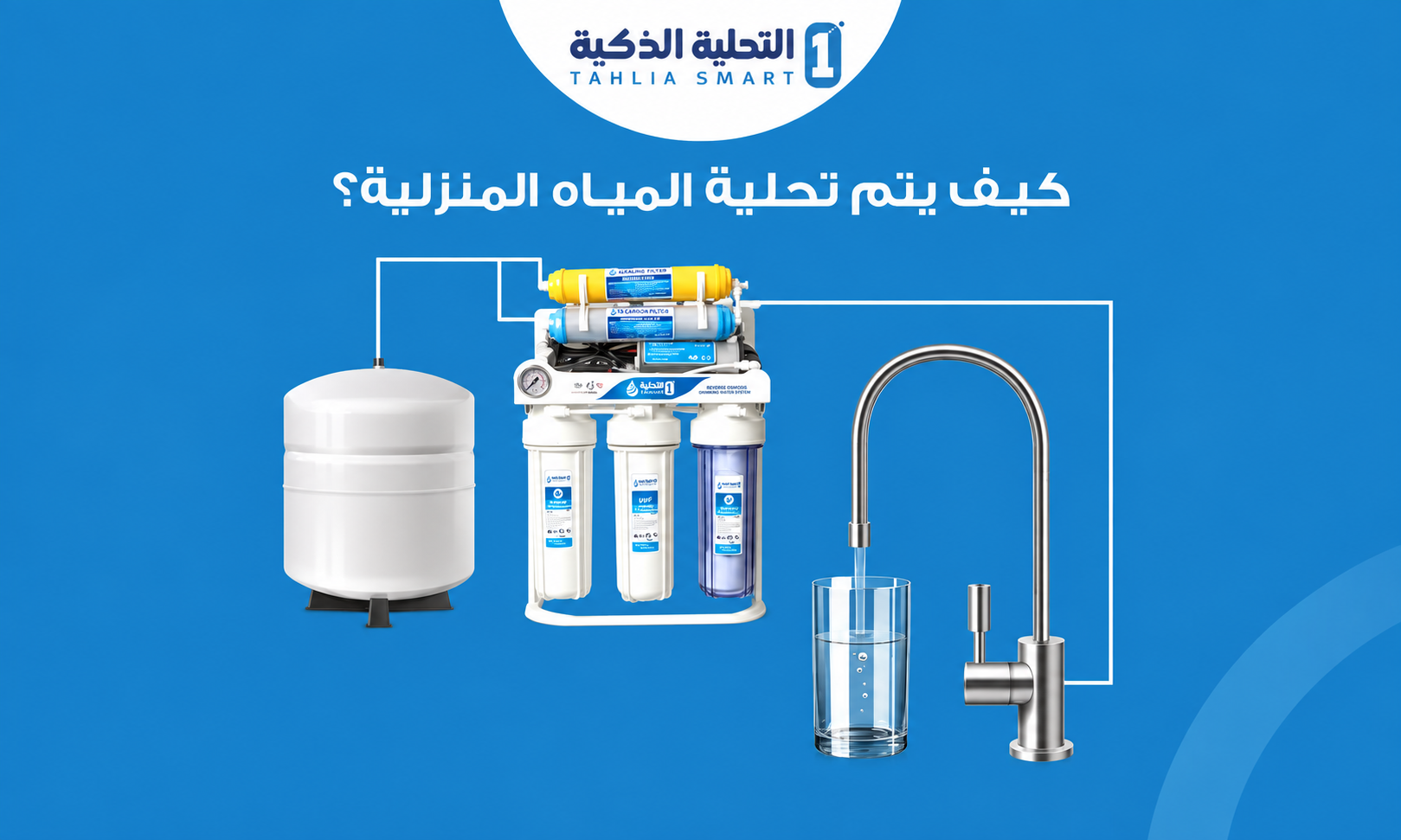
The home water desalination process involves several key stages to improve water quality. These stages include:
Filtration: A filter is used to remove impurities and large particles from the water.
Desalination: A specialized filter removes salt from the water with the help of reverse osmosis.
Disinfection: A UV filter or chemical filters can be used to kill any remaining germs and bacteria.
Taste and odor removal: This is done using additional filters.
Stages of the Home Water Desalination Process
Home water desalination involves several stages to remove salt, impurities, and contaminants, making the water safe to drink and use every day. Here are the stages:
Filtration (Pre-Filtration):
At this stage, a filter is used to remove impurities and large particles from the water. This includes dirt, sand, and other large materials that may be present in the water.
Desalination (Reverse Osmosis or Ion Removal):
At this stage, salt is removed from the water. Either of the following processes can be used:
Reverse osmosis: Water is passed through a semipermeable membrane to remove unwanted salts and minerals.
Ion removal: Salts are removed through ion exchange with specific ions.
Disinfection:
At this stage, the water is disinfected to kill any remaining germs and bacteria. This can be done using UV filters or by adding disinfectants.
Taste and Odor Removal:
Sometimes water has an unpleasant taste or odor. In that case, additional filters are used to remove these properties.
When these stages are completed successfully, water is transformed from its original source into clean, healthy water that is safe to drink and use at home. Home water desalination is an effective way to provide families with clean, safe water and protect their health.
Criteria for Choosing the Best Home Water Desalination Systems:
When shopping for a home water desalination system, consider the following criteria:
Desalination efficiency: Make sure the system can effectively remove salt.
Number of filtration stages: Multi-stage systems do a better job of removing salt and impurities.
Filtration capacity: Important for ensuring a steady supply of clean water.
Brand reliability: Look for well-known companies that offer high-quality systems.
What Are Home Water Desalination Systems?
Many types of home water desalination systems are available on the market, and they vary in technology and performance. Here are some common types:
Reverse osmosis (RO) systems: Among the most common systems for home water desalination, they remove salt and impurities from water. They need to be connected to a power source and include a tank for desalinated water and another for untreated water.
Ion exchange systems: These replace negative ions in water with other, non-saline ions. They are commonly used to reduce the salinity of water.
UV water treatment systems: These use ultraviolet light to disinfect water and kill germs and bacteria. They do not remove salt or impurities, but they make the water safe to drink.
Chemical filtration systems: These use chemical filters to remove impurities and unwanted chemicals. They may include activated carbon filters and other types of filters.
Biological filtration systems: These use filtration systems that support bacterial colonies to desalinate and purify water.
Solar desalination systems: These use solar energy to heat water and separate out the salt. They are a sustainable, environmentally friendly option.
Choose the type of system that best suits your needs and the water quality in your area. Before making a choice, it’s best to test the water to identify its salinity and potential contaminants, and consult a water desalination expert to help you make the right decision.
What Are the Best Home Water Desalination Systems in Saudi Arabia in 2026?
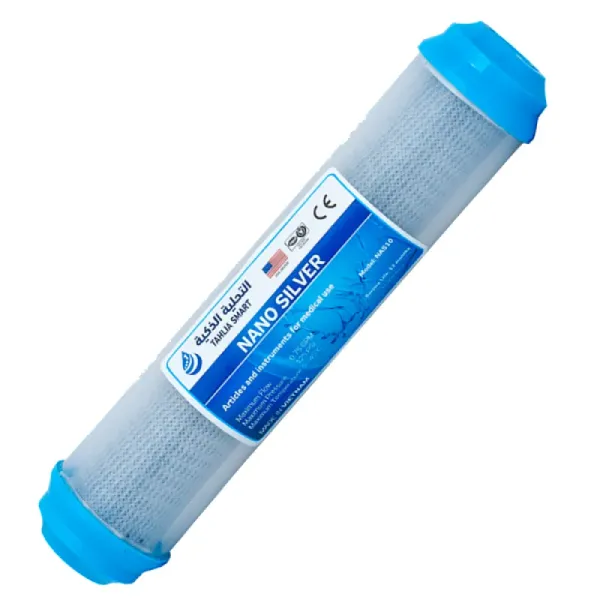
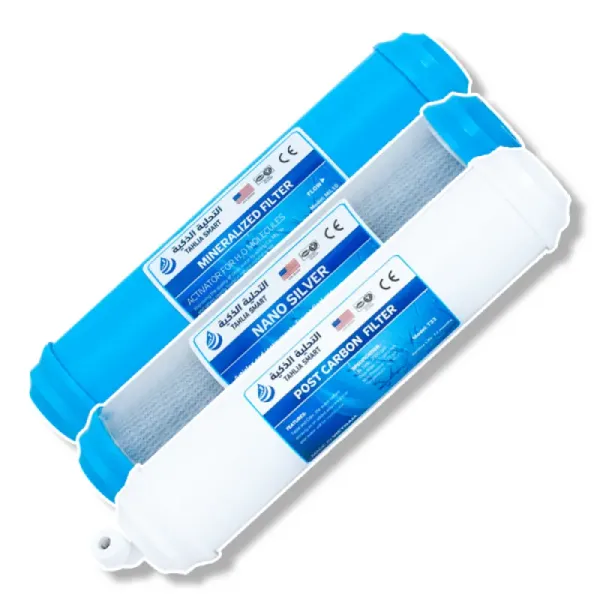
1- Smart 7-Stage Filter with Nano Silver Technology
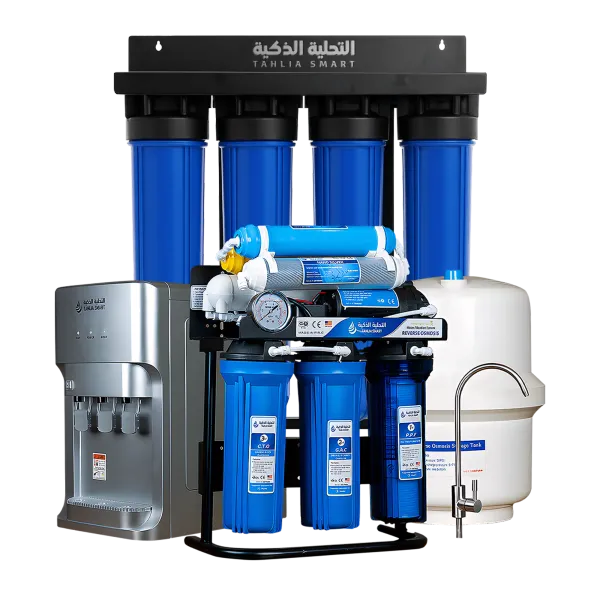
The Smart 7-Stage Filter with Nano Silver Technology is an advanced, effective solution for improving your home’s water quality. Its modern design fits conveniently under the kitchen sink or on the countertop. It is designed to save space and improve the flow of fresh water.
2- 2-in-1 Package: 7-Stage Filter and Self-Filling Water Cooler
Self-filling water cooler: Features an internal hot and cold water tank, so you won’t need water jugs anymore.
7-stage filter: An ideal system that meets all your drinking and cooking water needs. It offers high quality and powerful performance for water purification.
3- Water Cooler with Internal Tank
A compact cooler with a modern, elegant design and an advanced 5-stage internal filter, providing clean, refreshing water easily and effectively. It removes impurities and chlorine, giving you a healthy, great-tasting drink wherever you want. Enjoy a healthy lifestyle with clean, pure water from this innovative cooler.
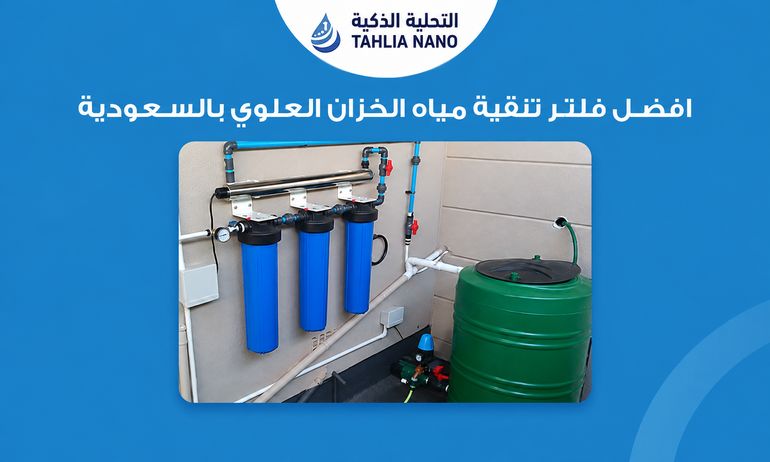
4- Water Tank Filter
The upper water tank filter is an innovative way to improve your home’s water quality by installing it in the rooftop tank. It filters out impurities and unwanted materials for a cleaner, more comfortable showering and everyday water-use experience.
5- Self-Filling Water Cooler
Enjoy comfort and convenience with this self-filling water cooler, which provides clean, cold, and hot water instantly. Its sleek, modern design adds a touch of style wherever you place it, while the internal hot and cold water tanks eliminate the need for water jugs. Enjoy healthy water with ease and comfort.
Why a 7-Stage Smart Water Purifier:
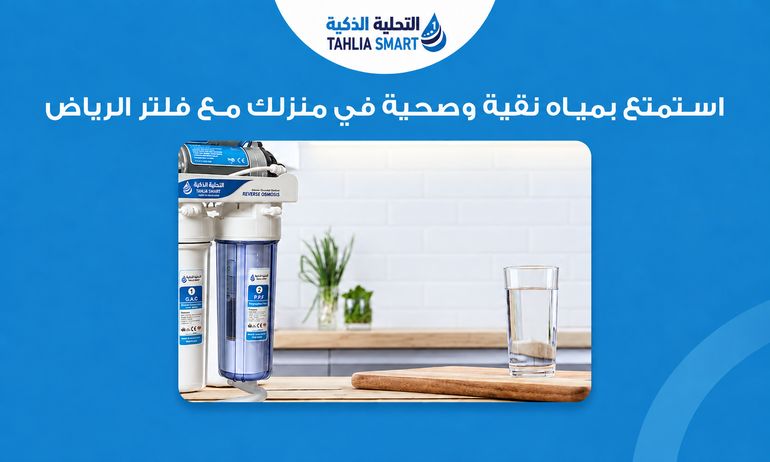
Seven-stage water filters are among the best types of home water filtration systems. They effectively purify water using advanced technology designed to remove impurities and excess salinity, making the water suitable for drinking and everyday use.
A home water purification system is an excellent way to improve the quality of your drinking water. If you’re experiencing water quality issues, consider looking for a seven-stage water filter or contacting a company that specializes in home water purification to ensure you and your family have access to clean, healthy water.
Advantages and Disadvantages of Home Water Purification Systems
Home water purification systems come with advantages and disadvantages to consider before deciding whether to use one. Here’s an overview of some of them:
Advantages of Home Water Purification Systems:
Provides clean, safe drinking water: Gives you access to healthy, purified water at home without needing to buy bottled water or rely on municipal water sources that may be unreliable.
Reduces water expenses: Can help lower the cost of buying bottled water and reduce monthly drinking water bills.
Improves water quality: Reducing salinity and removing impurities and chemicals improves the water’s quality, taste, and smell.
Easy to use: Many systems are easy to operate and require minimal maintenance.
Supports sustainability and the environment: Reduces plastic bottle consumption and the environmental impact of producing and storing bottled water.
Disadvantages of Home Water Purification Systems:
Upfront investment: Water purification systems can be expensive to purchase and install.
Energy consumption: Some systems require a lot of electricity to operate, which can increase your electric bill.
Regular maintenance: Systems need periodic maintenance, such as replacing filters and cleaning them regularly, which can take time and effort.
Water waste: In some systems, the purification process can waste small amounts of water.
Reduced mineral content: Sometimes, systems remove essential minerals from the water, which may need to be replenished through food or supplements.
By weighing these advantages and disadvantages, you can decide whether a home water purification system is right for you based on your individual needs and circumstances.
In conclusion, home water purification systems have become essential in today’s world, helping provide families and individuals with a clean, healthy water source. Choosing the right system offers convenience and sustainability while improving our quality of life.
Over time, the technology used in home water purification systems has advanced, making them more efficient and economical. Given Saudi Arabia’s water needs and challenging climate, these systems play an important role in providing a safe, clean water source.
If you’re looking for a home water purification system in Saudi Arabia in 2026, quality and performance should be your top priorities. Look for systems that meet your needs and come with good warranties and excellent after-sales service.
Home water purification will continue to offer long-term benefits and will be a sustainable investment in your family’s health and well-being. Always look for the latest technology and keep up with developments in this field to get the most out of these systems.